
Building a home from the ground up is one of the most significant investments you can make, both financially and emotionally. Unlike purchasing an existing property, new construction allows you to shape every detail according to your lifestyle, preferences, and long-term goals. That level of control is rewarding, but it also introduces complexity that requires careful planning and informed decision-making.
From budgeting and hiring professionals to selecting materials and managing timelines, each phase of the process is interconnected. Missteps early on can create ripple effects that impact cost, efficiency, and quality. With the right preparation and a clear understanding of what to expect, you can navigate the process with confidence and avoid common pitfalls.
This guide walks through each stage of building a home, offering practical insights and actionable strategies to help you move from concept to completion with clarity and control.
Planning Your Build With the Right Team and Budget

The planning phase lays the groundwork for a successful project. Before construction begins, it’s essential to define your vision, establish a realistic budget, and assemble a team that can bring your ideas to life.
How to Define Your Vision, Scope, and Must-Have Features
Start by thinking about how your home will function day to day. Consider your household size, routines, and future needs. Prioritize layout, storage, and flow over purely aesthetic elements, as these factors have the greatest long-term impact on livability.
Organize your ideas into categories such as must-haves, nice-to-haves, and optional upgrades. This framework helps guide decisions when budget constraints arise and ensures that essential features remain intact.
Translating your vision into measurable details is also important. Define approximate square footage, room counts, and layout preferences so your team can provide accurate estimates and recommendations.
When and Why to Consult a Professional Early
Involving a structural engineer early in the process can prevent costly changes later. These professionals evaluate load requirements, environmental conditions, and design feasibility, ensuring that your plans are both safe and practical.
For example, if your design includes open-concept spaces or unique architectural elements, early input helps determine the necessary support systems. This proactive approach reduces the risk of redesigns and keeps your project on schedule.
Understanding Labor Resources and Workforce Considerations
Labor decisions influence both the quality and efficiency of your build. In some cases, working with a field construction union can provide access to highly trained tradespeople who follow standardized practices.
While this option can offer reliability and consistency, it’s important to weigh it against your budget and project scope. Independent contractors may provide more flexibility, especially for customized or smaller-scale builds.
Regardless of your choice, thoroughly vet all professionals. Review past work, check references, and confirm licensing and insurance to ensure you’re working with qualified individuals.
Preparing the Site and Sourcing Foundational Materials
Once your plans are in place, the next step is preparing your land and gathering the materials needed to create a stable base. This phase is critical because the quality of your foundation directly impacts the entire structure. Even the most well-designed home can develop long-term issues if the groundwork is rushed or poorly executed.
A thorough site evaluation should come first. This includes soil testing to determine load-bearing capacity, drainage characteristics, and potential expansion or contraction due to moisture changes. These findings influence the type of foundation you’ll need, whether it’s a slab, crawl space, or full basement. Partnering with a qualified structural engineer at this stage ensures that your foundation design aligns with both the soil conditions and the architectural plans, reducing the risk of shifting, cracking, or water intrusion over time.
Grading and excavation follow, and both must be handled with precision. The land should be leveled and shaped to direct water away from the future structure. Poor drainage is one of the leading causes of foundation damage, so this step cannot be overlooked. Establishing the correct slope and elevation also helps protect surrounding landscaping and neighboring properties.
Material sourcing is equally important. The base layer beneath your foundation typically relies on compacted aggregate, making it essential to work with a dependable gravel supplier. High-quality gravel promotes proper drainage and creates a stable surface that resists settling. Inconsistent or low-grade material can lead to uneven support, which may compromise the integrity of the structure above.
In addition to aggregate, structural sheathing and support materials must be selected carefully. Reliable plywood suppliers provide materials that meet grading and durability standards required for subflooring and formwork. Using inferior products at this stage can result in warping, moisture damage, or reduced load-bearing capacity, all of which can create complications later in the build.
Logistics and timing also play a major role in this phase. Coordinating deliveries, ensuring proper storage of materials, and scheduling inspections all contribute to a smoother process. Delays or mismanagement here can disrupt the entire construction timeline, as no vertical building can begin until the foundation is properly completed and approved.
Finally, attention to detail during installation is what ties everything together. Proper compaction of gravel layers, accurate placement of forms, and adherence to engineering specifications ensure that the foundation performs as intended. Investing time and resources into this stage provides long-term stability, minimizes maintenance issues, and sets the tone for the quality of the entire build.
How to Evaluate and Prepare Your Lot for Construction
Begin with a detailed site assessment. Soil testing, grading, and drainage planning are essential for determining how your foundation should be constructed. Addressing these factors early helps prevent issues such as settling or water damage.
Clearing the site is another key step. Remove vegetation, debris, and obstacles that could interfere with construction. Proper grading ensures that water flows away from the foundation, reducing the risk of long-term damage.
You’ll also need to confirm access to utilities, including water, electricity, and sewage systems. If these connections are not readily available, additional planning and costs will be required.
Choosing the Right Base Materials for Stability
Working with a reliable gravel supplier ensures you have the right materials for a strong and stable foundation. The type of gravel used can affect drainage, compaction, and overall durability.
Crushed stone is often preferred for its ability to compact tightly, while other options may be better suited for specific conditions. Consistency in material quality is essential, as uneven or low-grade materials can lead to structural issues over time.
Selecting Materials That Support Structural Integrity
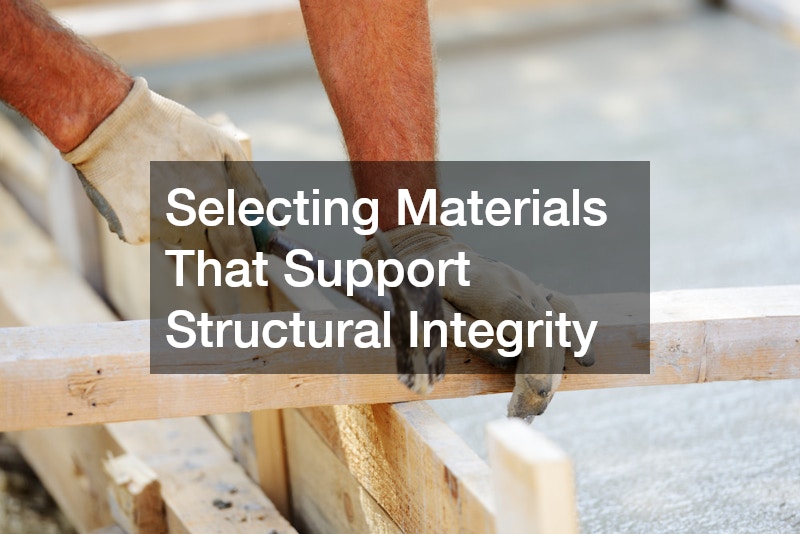
Plywood plays a significant role in framing and sheathing. Partnering with reputable plywood suppliers helps ensure that you receive materials that meet industry standards for strength and durability.
Pay attention to grading, thickness, and moisture resistance. Higher-quality plywood is less likely to warp or degrade, especially when exposed to varying weather conditions during construction.
Framing and Structural Work That Stands the Test of Time
Framing is where your home begins to take shape. This stage establishes the structure that supports everything else, making precision and quality essential.
Best Practices for Strong, Efficient Framing
Accurate measurements and alignment are critical during framing. Even small inconsistencies can lead to larger issues as construction progresses. Experienced professionals understand how to maintain precision and ensure that all components fit together correctly.
Efficiency is also important. Advanced framing techniques can reduce material waste while improving energy performance. Planning allows for better coordination with other systems, such as plumbing and electrical work.
Incorporating Custom Structural Elements
In some cases, standard materials may not be sufficient to achieve your desired design. Working with metal fabricators allows you to incorporate custom steel components that provide additional strength and flexibility.
These elements are particularly useful for large open spaces or unique architectural features. Planning is essential, as custom fabrication often requires additional time for design and production.
Finding Cost-Effective Material Options
Managing costs is an important part of any construction project. One way to reduce expenses is by sourcing materials from scrap yards, where you can find reusable items at lower prices.
While this approach can offer savings, it’s important to carefully inspect all materials to ensure they meet safety and quality standards. Balancing affordability with reliability is key to maintaining the integrity of your build.
Protecting Your Home From the Elements
Your home’s exterior serves as its first line of defense against weather and environmental factors. Proper installation and material selection are essential for long-term durability.
Choosing the Right Professionals for Exterior Work
Hiring a reputable roofing company ensures that your home is protected from the top down. Look for contractors with strong reviews, proper licensing, and clear warranties.
Request detailed estimates and timelines, and take the time to review past projects. A trustworthy contractor will communicate clearly and provide guidance tailored to your specific needs.
Comparing Material Options for Long-Term Performance
There are many roofing materials to choose from, each with its own advantages. Metal roofing materials, for example, offer durability, energy efficiency, and resistance to extreme conditions.
While they may have a higher upfront cost, they often provide better long-term value. Consider your climate, maintenance preferences, and budget when making a decision.
Ensuring Proper Installation and Maintenance
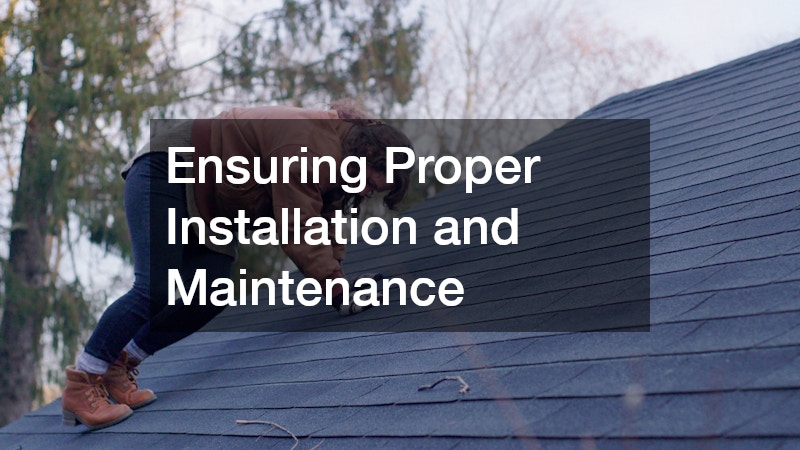
Even the best materials can fail if they are not installed correctly. Proper ventilation, underlayment, and sealing are essential for preventing leaks and moisture buildup.
Regular inspections and maintenance help extend the lifespan of your exterior and reduce the likelihood of costly repairs.
Installing Essential Systems for Comfort and Efficiency
Behind the walls of your home are systems that support daily living. Proper planning and coordination are necessary to ensure they function efficiently.
Planning for Reliable Energy and Fuel Sources
If your home relies on alternative energy, installing a propane system can provide a dependable solution for heating and appliances. Proper sizing and placement are critical for safety and efficiency.
Working with qualified professionals ensures that the system meets all regulations and operates reliably over time. Regular maintenance is also important for long-term performance.
Finding Smart Ways to Save on Fixtures and Equipment
Building a home involves significant investment in fixtures and appliances. Exploring local auctions can help you find quality items at reduced prices.
These sources often include surplus or lightly used products that can still meet your needs. Careful evaluation is essential to ensure compatibility and condition before making a purchase.
Coordinating Installation Across Multiple Systems
Plumbing, electrical, and HVAC systems must be installed in a specific sequence to avoid conflicts. Clear communication between contractors helps ensure that each phase is completed efficiently.
Inspections at key stages confirm that all systems meet code requirements and function as intended before walls are closed.
Interior Finishes That Bring Your Vision to Life
The final stage of construction focuses on transforming the structure into a comfortable and visually appealing home. Interior finishes reflect your personal style while also influencing durability and maintenance.
Selecting Materials That Balance Style and Function
Choosing the right finishes requires careful consideration of both appearance and performance. Flooring, cabinetry, and countertops should be durable enough to handle daily use while aligning with your design preferences.
Higher-quality materials often provide better long-term value, even if they require a larger initial investment. Consistency in design helps create a cohesive look throughout your home.
Managing Contractors and Staying on Schedule
As the project nears completion, multiple teams may be working simultaneously. Effective management ensures that tasks are completed on time and to a high standard.
Regular communication and clear expectations help prevent delays and misunderstandings. Staying organized allows you to track progress and address issues promptly.
Conducting Final Inspections and Quality Checks

Before moving in, take the time to thoroughly inspect your home. Identify any issues and create a list of items that need to be addressed.
Check all systems, finishes, and fixtures to ensure they meet your expectations. This final step helps ensure that your home is ready for occupancy and that any remaining concerns are resolved.
Building a home is a complex process that requires careful planning, collaboration, and attention to detail. Each phase plays a critical role in shaping the final result, and thoughtful decisions at every step can make a significant difference in both quality and long-term satisfaction.
By approaching the process with a clear strategy and working with experienced professionals, you can create a home that not only meets your immediate needs but also supports your lifestyle for years to come.