Preparing your home for the storm season is crucial to ensuring the safety and security of your household. From reinforcing your home’s structure to tackling outdoor maintenance, there are numerous steps you can take to minimize the risks of storm damage. This comprehensive guide provides actionable tips to help you get your home storm-ready, covering everything from structural enhancements to insurance considerations.
Top Safety Found in Shelters
Incorporating a storm shelter into your home is a vital step toward improving storm preparedness and protecting your family during severe weather events. A storm shelter provides a reinforced, secure space specifically designed to withstand extreme weather conditions such as tornadoes, hurricanes, and severe thunderstorms. Whether you choose a custom-built underground shelter or a pre-fabricated unit, it is important to ensure the structure meets FEMA guidelines and local safety standards for maximum protection and reliability.
The location of your storm shelter is just as important as the structure itself. Ideally, the shelter should be accessible within seconds, allowing your family to reach safety quickly during an emergency. Many homeowners choose to install shelters in basements, garages, or enclosed outdoor areas for convenience and accessibility. It is also helpful to ensure the path to the shelter remains free of clutter and obstacles at all times, especially during storm season when rapid access may be critical.
Regular maintenance is essential to keeping your storm shelter functional and dependable over time. Annual inspections should include checking for leaks, rust, structural damage, or ventilation issues that could compromise safety. Homeowners should also keep emergency supplies stocked and updated, including bottled water, flashlights, batteries, non-perishable food, blankets, medications, and first-aid kits. A well-maintained storm shelter provides peace of mind and can make a significant difference during dangerous weather conditions.
Above-Ground Shelters as the Modern Alternative

If an underground storm shelter is not feasible due to property limitations or personal preference, an above ground tornado shelter offers an excellent alternative. These shelters are built with reinforced steel, heavy-duty doors, and secure anchoring systems designed to withstand powerful winds and flying debris. Because they are installed above ground, they are often easier and quicker to access during emergencies, making them especially beneficial for elderly individuals or those with mobility concerns.
When selecting an above-ground tornado shelter, several factors should be carefully considered, including location, size, ventilation, and overall design. The shelter should comfortably accommodate all household members while remaining easily accessible during severe weather events. Many manufacturers offer customizable options that allow homeowners to match the shelter’s appearance to the style of the home while maximizing available space. Proper placement within the home can also improve convenience and safety during an emergency.
Routine maintenance helps ensure that above-ground shelters remain ready for use at all times. Conduct bi-annual inspections to check for structural integrity, proper door operation, and adequate ventilation. Cleaning the shelter regularly and restocking emergency supplies can further improve preparedness. Practicing emergency drills with family members also helps everyone become familiar with the shelter’s location and proper use, reducing confusion during real storm situations.
Fortified Roofing System
Fortified roofing systems provide an important layer of protection against severe weather conditions and storm-related damage. These advanced roofing systems are specifically designed to withstand high winds, impact from debris, and water infiltration, helping reduce the likelihood of costly repairs after major storms. Investing in durable materials such as metal roofing, impact-resistant shingles, or reinforced underlayment can significantly improve your home’s overall resilience and long-term durability.
Working with an experienced residential roofing company is essential for ensuring your roof meets modern storm protection standards. Roofing professionals can inspect your existing roof, identify vulnerable areas, and recommend upgrades that strengthen the structure. Features such as sealed roof decks, roof-to-wall connections, reinforced flashing, and secondary water barriers can provide additional protection against leaks and storm damage. Proper installation is critical to maximizing the performance and lifespan of the roofing system.
Consistent maintenance and timely repairs are also key to preserving the integrity of a fortified roof. Scheduling regular roof inspections, especially before storm season begins, allows homeowners to address potential issues before they worsen. Loose shingles, damaged flashing, or clogged roof drainage systems should be repaired promptly to avoid more extensive damage during severe weather. A well-maintained roofing system not only improves safety but can also increase energy efficiency and property value.
Effective Gutters to Prevent Water Damage
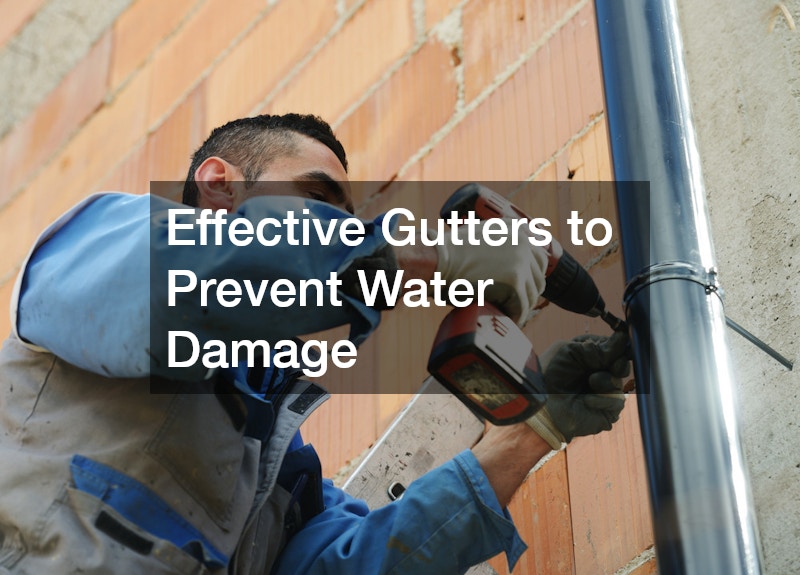
A properly functioning gutter system plays a crucial role in protecting your home from water damage during storms and heavy rainfall. Gutters direct rainwater away from the roof, foundation, siding, and landscaping, helping prevent issues such as erosion, flooding, mold growth, and structural deterioration. Damaged or clogged gutters can quickly lead to water buildup that compromises the integrity of the home. Professional gutter services help ensure your drainage system remains efficient and reliable throughout the year.
Regular gutter cleaning before and after storm season is essential for maintaining proper water flow. Leaves, twigs, dirt, and other debris can easily accumulate and block drainage, increasing the risk of overflow and water damage. Installing gutter guards can help minimize future clogs and reduce maintenance requirements while allowing rainwater to flow more freely. These preventative measures can extend the lifespan of the gutter system and improve overall storm preparedness.
Homeowners should also inspect gutters regularly for signs of wear, such as rust, sagging sections, cracks, or loose fasteners. Promptly addressing these issues can prevent larger and more costly repairs later on. Professional gutter repair or replacement services ensure the system is properly aligned and securely attached for optimal performance. Well-maintained gutters serve as one of the home’s first lines of defense against storm-related water damage.
Improved Durability on Siding
Siding serves as a critical protective barrier between your home and the outdoor elements. Damaged, aging, or improperly installed siding can leave your property vulnerable to moisture intrusion, wind damage, and energy loss during severe weather. Investing in siding replacement services allows homeowners to upgrade to stronger, more weather-resistant materials that improve both protection and curb appeal.
Popular siding materials such as fiber cement, engineered wood, and premium vinyl offer enhanced durability and require relatively low maintenance compared to older materials. Many modern siding products are specifically designed to resist cracking, warping, fading, and moisture damage while improving insulation efficiency. Working with professional siding contractors ensures the installation is completed correctly, creating a secure and visually appealing exterior that strengthens the home’s defense against storms.
Routine inspections and maintenance can help extend the lifespan of your siding and prevent minor issues from becoming larger problems. Homeowners should look for signs of damage such as loose panels, mold growth, peeling paint, or visible cracks, especially after severe weather events. Cleaning siding regularly and addressing repairs quickly helps preserve its appearance and performance. Durable siding not only protects your home but also contributes to long-term value, comfort, and energy efficiency.
Emergency Generators for Peace of Mind

During severe storms and extreme weather events, power outages are a common occurrence that can last anywhere from a few hours to several days. Investing in a home generator ensures you have a reliable backup source of electricity, helping maintain essential systems such as lighting, refrigeration, heating or cooling, and communication devices. Both portable and standby generators offer flexibility depending on your household’s energy demands and budget, making them a valuable addition to any storm preparedness plan.
Selecting the right generator involves carefully assessing your home’s power requirements and prioritizing critical appliances. Standby generators are permanently installed units that automatically restore power within seconds of an outage, offering seamless protection and convenience. Portable generators, on the other hand, provide a more flexible and cost-effective option, though they require manual setup and fueling. Installing any generator system should be handled by qualified professionals to ensure safe electrical connections, proper ventilation, and compliance with local safety codes.
Routine maintenance is essential to ensure your generator operates reliably when it is needed most. Regular inspections, oil changes, battery checks, and fuel management help prevent mechanical failures during emergencies. Homeowners should also periodically test their generator under load conditions to confirm it is functioning properly. A well-maintained generator provides peace of mind and ensures that unexpected power outages have minimal impact on comfort, safety, and daily routines.
Efficient Rain Drainage
Catch basins are an important component of a home’s drainage system, designed to collect and redirect excess stormwater away from vulnerable areas. These below-ground structures help prevent flooding, soil erosion, and water damage to foundations, landscaping, and outdoor structures. When properly installed, catch basins significantly improve a property’s ability to handle heavy rainfall and reduce the risk of long-term water-related damage.
Determining the correct placement of catch basins requires a careful evaluation of your property’s landscape and drainage patterns. Areas that frequently collect standing water, such as low-lying sections of the yard or driveway edges, are ideal locations for installation. Catch basins can also be connected to existing drainage systems, allowing water to flow efficiently into storm sewers or designated runoff areas. Proper design and installation ensure the system works effectively even during intense storms.
Ongoing maintenance is crucial for keeping catch basins functioning at peak efficiency. Leaves, sediment, trash, and plant debris can accumulate over time and cause blockages that reduce drainage performance. Regular cleaning and inspections, especially before and during storm season, help prevent overflow and ensure consistent water flow. By maintaining your catch basin system, you can protect your home and landscape from costly water damage and improve overall storm readiness.
Excess Water Management
Water pumps are highly effective tools for managing excess water during and after severe storm events. They help quickly remove water from basements, crawl spaces, yards, and other low-lying areas, reducing the risk of flooding and structural damage. A combination of sump pumps and portable water pumps provides homeowners with a flexible and responsive system for handling different levels of water accumulation.
Sump pumps are typically installed in basements or foundation pits and automatically activate when rising water levels are detected. This automatic operation helps protect a home’s foundation by continuously directing water away from the structure. Portable pumps, on the other hand, are ideal for larger or more dispersed water removal needs, such as clearing flooded driveways, yards, or outdoor spaces. Together, these systems provide comprehensive water management during storm recovery.
Regular pump maintenance is essential for ensuring reliable performance during critical moments. Homeowners should routinely test sump pumps, inspect discharge lines, and ensure backup power sources are available in case of outages. Portable pumps should also be cleaned, inspected, and stored properly so they are ready for immediate use. A well-maintained pumping system greatly improves a home’s resilience against flooding and minimizes storm-related damage and downtime.
Important Insurance to Keep You Covered
A comprehensive homeowners insurance plan is a key element of any effective storm preparedness strategy. Insurance provides essential financial protection by covering repair or replacement costs for your home and personal belongings in the event of storm damage. Reviewing your policy regularly, especially before storm season, ensures that your coverage aligns with your property’s current value and regional weather risks.
Depending on your location, it may be important to consider additional coverage options such as flood insurance, windstorm protection, or hurricane endorsements. These add-ons help fill potential gaps in standard policies and provide greater financial security in high-risk areas. Understanding policy details such as deductibles, exclusions, and claim procedures allows homeowners to make informed decisions and respond more effectively after a disaster. Consulting with an insurance professional can help tailor coverage to your specific needs.
Maintaining an up-to-date inventory of personal belongings can significantly streamline the claims process after storm damage. Taking photos, recording serial numbers, and securely storing important documents ensures you have the necessary proof for insurance claims. Documenting your home’s condition before and after a storm also helps support accurate assessments and faster settlements. With proper planning and documentation, homeowners can reduce stress and recover more quickly when severe weather strikes.
Getting your home storm-season ready involves a multifaceted approach, encompassing structural improvements, routine maintenance, and emergency planning. By implementing these strategies, you’re essentially fortifying your home against the challenges of severe weather conditions. Committing to storm readiness not only secures your home but also cultivates peace of mind, knowing you’re well-prepared to handle whatever nature throws your way.