Key Takeaways
- Prioritize home improvements that address your household’s practical needs, comfort, and long-term goals.
- Kitchen and bathroom updates can improve functionality while giving frequently used spaces a refreshed appearance.
- Exterior improvements such as roofing, landscaping, windows, and outdoor living areas can enhance both protection and curb appeal.
- Upgrading storage, flooring, insulation, lighting, and home office spaces can make everyday living more comfortable and efficient.
- Essential systems, including plumbing and electrical components, should be inspected and upgraded when they show signs of aging or recurring problems.
- Set a realistic budget, hire qualified professionals, and maintain a contingency fund for unexpected renovation costs.
- Focus on durable, low-maintenance improvements that can continue providing value as your household’s needs change.
Upgrading your home is an opportunity to make your living space more comfortable, functional, efficient, and attractive. Whether you are planning a few small improvements or a major renovation, the right projects can have a meaningful impact on how you use and enjoy your property. Home upgrades can also address practical concerns, such as outdated systems, poor energy efficiency, insufficient storage, or aging finishes.
The key is to prioritize improvements that align with your household’s needs and your long-term plans. By approaching each project with a clear budget and realistic expectations, you can make thoughtful changes that improve your home without creating unnecessary expenses or complications.
Which Home Improvements Should You Prioritize?
When deciding how to upgrade your home, it helps to look beyond appearances. A beautiful new feature can certainly improve your surroundings, but upgrades that solve everyday problems may provide even greater satisfaction over time. Consider how your household uses each room, which areas require frequent maintenance, and where your home could become more efficient. It is also useful to separate essential repairs from cosmetic improvements before creating a renovation plan. Once urgent issues have been addressed, you can focus your budget on projects that improve comfort, functionality, durability, and property value. The following improvements offer a range of options for different budgets and priorities.
1. Refresh Your Kitchen
The kitchen is one of the most frequently used areas of a home, making it an excellent place to begin an upgrade. You do not necessarily need a complete renovation to make a noticeable difference.
Consider replacing outdated cabinet hardware, improving lighting, installing a more durable countertop, or adding storage solutions. If the layout is inefficient, reorganizing the workspace may be more valuable than simply purchasing new finishes.
For a larger project, consider replacing cabinets, updating appliances, or creating a more functional island. Focus on improvements that make cooking, cleaning, entertaining, and everyday movement easier.
2. Modernize the Bathroom
Bathrooms can quickly begin to look dated, particularly when fixtures, flooring, and finishes have not been updated for many years. Fortunately, even modest changes can create a cleaner and more comfortable environment.
Replacing faucets, mirrors, lighting, shower fixtures, and vanity hardware can provide an affordable refresh. For a larger transformation, consider a new vanity, updated tile, improved ventilation, or a modern shower enclosure.
Choose durable materials that can withstand regular exposure to moisture. Proper installation is equally important because poorly sealed fixtures or surfaces can eventually contribute to water damage.
3. Improve Your Home’s Lighting
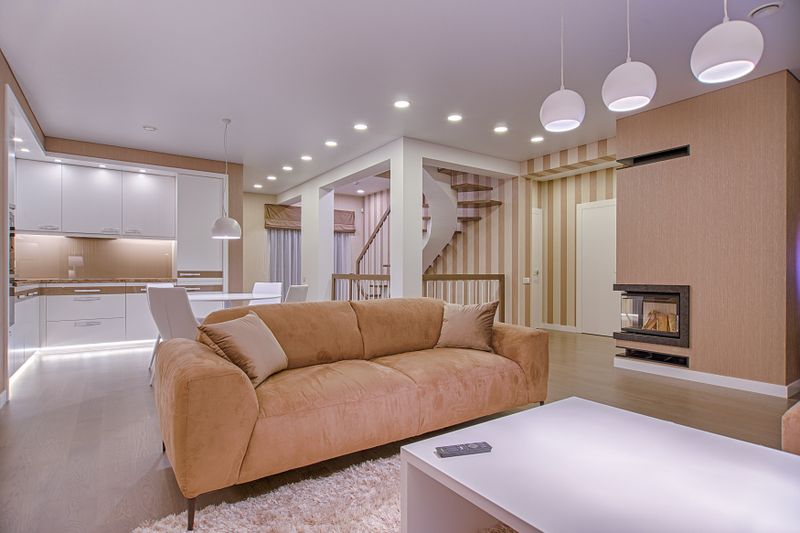
Lighting has a major influence on how a home looks and feels. Dark rooms can appear smaller and less welcoming, while strategically placed lighting can make spaces feel brighter and more functional.
Start by evaluating areas that lack sufficient illumination. Add task lighting in kitchens and workspaces, accent lighting in living areas, and brighter fixtures in bathrooms and hallways.
You can also consider replacing outdated bulbs with energy-efficient options. Dimmers and smart lighting controls provide additional flexibility by allowing you to adjust brightness based on the time of day or activity.
4. Upgrade Your Windows and Doors
Old windows and exterior doors can affect comfort, energy use, noise levels, and security. If you notice drafts, condensation, difficulty opening windows, or deteriorating frames, an upgrade may be worthwhile.
Modern windows can provide better insulation and help reduce unwanted heat transfer. New exterior doors can also improve weather resistance and security while giving the property a refreshed appearance.
Before replacing everything, inspect the existing units carefully. Some problems may be addressed through repairs, weatherstripping, or improved sealing rather than full replacement.
How Can You Improve Your Home’s Exterior?
The exterior of your home is important for more than curb appeal. It protects the structure from rain, wind, sunlight, moisture, and temperature changes while influencing how visitors and potential buyers perceive the property. Exterior upgrades can range from simple landscaping and painting to substantial improvements involving roofing, siding, windows, patios, and drainage. Before beginning a project, inspect the exterior for signs of deterioration and address problems that could affect the structure. Planning also helps you select finishes that work together rather than making isolated changes that look disconnected. A coordinated approach can make your home more attractive while improving its durability and long-term performance.
5. Give the Exterior a Fresh Look
A new exterior color scheme can dramatically change the appearance of your property. Painting siding, trim, doors, or other appropriate surfaces can make an older home look considerably more current.
Before selecting paint, examine the condition of the existing surfaces. Peeling paint, damaged siding, rot, or moisture problems should be addressed before applying a new finish.
When choosing materials for exterior home renovations, consider more than color and appearance. Durability, climate, maintenance requirements, moisture resistance, and compatibility with existing materials can all influence how well an upgrade performs.
6. Improve Your Landscaping
Landscaping is another practical way to upgrade your home without changing the structure itself. Well-planned planting areas, pathways, trees, and outdoor features can make the property more inviting.
Focus on plants that suit your local climate and the amount of sunlight available in different areas. Native or climate-appropriate plants may also require less maintenance once established.
Consider adding defined garden borders, improved drainage, outdoor lighting, or a small seating area. These details can make outdoor spaces more useful while enhancing the overall appearance of your property.
7. Upgrade the Roof
The roof plays a critical role in protecting your home. If it is approaching the end of its expected service life or showing signs of damage, replacing it may be more important than pursuing purely decorative improvements.
Look for missing or damaged shingles, leaks, sagging areas, deteriorated flashing, and signs of moisture inside the attic. Professional inspections can help determine whether repairs or replacement are appropriate.
A roofing upgrade can also be an opportunity to improve ventilation and insulation. Addressing these elements together can help protect the structure and support better indoor comfort.
8. Create a Better Outdoor Living Area
Outdoor spaces can effectively extend your living area. A patio, deck, pergola, or comfortable seating area can create a place for relaxing, dining, and entertaining.
The right design depends on how you expect to use the space. A family that enjoys outdoor meals may prioritize a dining area, while another household may prefer a quiet garden retreat.
Think about shade, drainage, lighting, privacy, and access from the house. Planning these details in advance can make an outdoor improvement much more practical and enjoyable.
Which Interior Upgrades Can Make Everyday Life Easier?
Not every valuable home improvement requires a major construction project. Some of the most noticeable upgrades involve making existing spaces easier to organize, clean, and use. Improving storage, flooring, ventilation, insulation, and room layouts can have a direct effect on everyday comfort. These projects are particularly useful when a home technically meets your needs but feels inconvenient or inefficient. Rather than adding features simply because they are popular, consider the problems you regularly encounter. Do you lack storage? Is a room difficult to keep comfortable? Are surfaces showing excessive wear? Identifying these pain points can help you choose improvements that provide practical benefits rather than short-lived visual changes.
9. Add More Storage
Insufficient storage can make even a spacious home feel cluttered. Adding built-in cabinets, shelving, closet organizers, or under-stair storage can help you make better use of available space.
In bedrooms, consider customized closet systems that separate hanging clothes, shoes, accessories, and folded items. In kitchens, pull-out drawers and pantry organizers can improve accessibility.
Storage should be designed around your actual belongings. Measure what you need to store before planning a solution so the finished space provides useful capacity rather than simply adding more cabinets.
10. Upgrade Your Flooring
Flooring experiences constant wear, so damaged or outdated surfaces can have a noticeable impact on a home’s appearance. Replacing flooring can also improve cleaning, durability, and comfort.
Different areas require different considerations. Kitchens and entryways benefit from surfaces that tolerate moisture and heavy traffic, while bedrooms and living rooms may prioritize warmth and comfort.
If replacing every floor is outside your budget, focus on high-traffic areas first. Refinishing existing hardwood or replacing damaged sections may also provide significant improvements without a complete replacement.
11. Improve Insulation and Ventilation
Comfort problems are not always caused by visible finishes. Poor insulation and inadequate ventilation can contribute to temperature fluctuations, excessive energy use, moisture buildup, and uncomfortable indoor conditions.
Inspect areas such as attics, exterior walls, crawl spaces, and around windows for opportunities to improve insulation. Proper ventilation is particularly important in kitchens, bathrooms, and other areas where moisture accumulates.
These upgrades may not be as visually dramatic as a new kitchen, but they can contribute to a healthier and more comfortable indoor environment while potentially reducing energy demands.
12. Create a More Functional Home Office
A dedicated workspace can make working or studying at home more comfortable and organized. Even a small area can be transformed with the right furniture, lighting, storage, and technology setup.
Choose a location with sufficient natural or artificial light and minimal distractions. Make sure the desk provides enough space for your computer and other frequently used equipment.
Cable management, shelving, and ergonomic furniture can further improve the space. A well-organized work area can make it easier to separate professional or academic activities from the rest of your home.
What Essential Systems Should You Upgrade?
Some of the most important improvements are hidden behind walls, floors, and ceilings. Plumbing, electrical, heating, cooling, and other systems support nearly everything you do at home, yet they are easy to overlook because they are not always visible. Older systems may also become less efficient or more difficult to maintain as a property ages. Before investing heavily in cosmetic renovations, consider whether your home’s essential systems are performing reliably. Addressing aging infrastructure can reduce the likelihood of disruptive failures and protect other improvements from damage. Professional assessment is particularly valuable for electrical, plumbing, gas, and structural work where incorrect installation can create serious problems.
13. Improve Your Plumbing
Plumbing problems can begin with small warning signs, including slow drains, inconsistent water pressure, dripping faucets, unusual odors, or recurring leaks. Ignoring these issues may allow damage to develop behind walls or beneath floors.
Start by checking visible pipes, fixtures, shutoff valves, and areas beneath sinks. Older homes may also benefit from a broader plumbing inspection to identify aging components.
If you are researching how to choose the right plumber, look for appropriate licensing, insurance, experience, clear pricing, and strong customer reviews. For complicated repairs, professional diagnosis can help address the underlying problem rather than repeatedly treating symptoms.
14. Upgrade Electrical Systems and Outlets
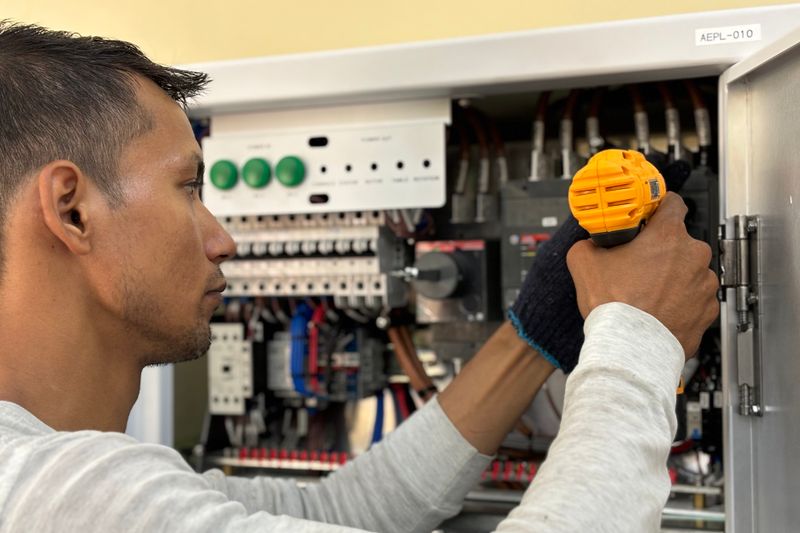
Modern households often place greater demands on electrical systems than homes were originally designed to handle. Additional appliances, computers, entertainment equipment, and smart devices can increase the need for convenient and properly installed outlets.
Consider adding outlets in areas where extension cords are frequently used. Upgrading outdated fixtures and installing appropriate lighting controls can also improve functionality.
Electrical work should be performed by qualified professionals, particularly when projects involve the electrical panel, wiring, grounding, or major circuits. Safety should take priority over convenience when planning these upgrades.
15. Make Your Home More Energy Efficient
Energy-efficient improvements can make your home more comfortable while potentially reducing ongoing utility costs. The best projects depend on the property’s existing condition and local climate.
Common options include improved insulation, efficient windows, weatherstripping, high-efficiency appliances, smart thermostats, and upgraded lighting. Solar energy may also be worth considering where conditions and budget make it practical.
Instead of making random upgrades, identify where your home loses or consumes the most energy. An assessment can help you prioritize improvements based on potential impact and cost.
How Should You Plan a Larger Home Upgrade?
Major renovations require more preparation than simple cosmetic changes. If you are combining several projects, establish the overall scope before hiring contractors or purchasing materials. A detailed plan can help you understand which improvements should happen first and which projects depend on others being completed.
For example, electrical or plumbing work may need to happen before new walls or finishes are installed. Roofing and exterior repairs may also need to be completed before certain interior improvements.
Homeowners who are considering building your dream home or undertaking a major renovation should think about long-term needs rather than focusing exclusively on current trends. A flexible layout, durable materials, sufficient storage, efficient systems, and adaptable spaces can make a property useful for many years.
Set a Realistic Budget
Start by determining how much you can comfortably spend. Divide the budget between essential repairs, functional improvements, aesthetic upgrades, professional services, and contingency funds.
Unexpected issues are common during renovations, particularly in older homes. Keeping a reserve can help you respond to hidden damage or necessary changes without compromising important parts of the project.
Hire Qualified Professionals
The right professionals can make a major difference in both project quality and efficiency. Check credentials, insurance, references, previous work, written estimates, and contracts before work begins.
Avoid choosing a contractor based solely on the lowest quote. A detailed proposal that explains labor, materials, timelines, and responsibilities can provide a clearer basis for comparison.
Plan Improvements in the Right Order
Renovations are easier to manage when projects are completed in a logical sequence. Structural and system-related work should generally be addressed before cosmetic finishes.
A practical order may include repairs and structural work first, followed by electrical and plumbing upgrades, insulation, walls and ceilings, flooring, cabinetry, painting, fixtures, and final landscaping.
How Can You Get More Value From Your Home Upgrades?
A successful upgrade should improve more than the appearance of your property. Think about how each project will affect comfort, maintenance, efficiency, durability, and everyday usability. The most worthwhile improvements are often those that solve persistent problems while supporting the home’s long-term needs. It is also important to avoid over-improving spaces simply because a particular feature is currently popular. Trends change, but functional layouts and durable construction tend to remain useful. Before approving a project, ask whether it addresses a genuine need, whether the expected benefits justify the cost, and whether the improvement will work with the rest of the property.
Focus on Quality and Durability
Choosing durable products and reliable workmanship can reduce the need for repeated repairs. The cheapest option is not necessarily the most economical when it requires replacement after only a few years.
Consider Maintenance Requirements
Every upgrade requires some level of upkeep. Before choosing a feature, understand how often it needs cleaning, sealing, inspection, refinishing, or replacement.
Think About Future Needs
Your household may change over time. Flexible rooms, accessible features, additional storage, and adaptable outdoor areas can make your home easier to use as circumstances evolve.
Conclusion
A well-planned home upgrade can improve the way your property looks, feels, and functions without requiring every room to undergo a complete transformation. From kitchens, bathrooms, flooring, and storage to roofing, landscaping, plumbing, electrical systems, and energy efficiency, there are many ways to make meaningful improvements.
The most successful projects begin with clear priorities and realistic expectations. By addressing essential repairs first, choosing durable solutions, hiring qualified professionals, and planning upgrades around how you actually use your home, you can create improvements that continue to provide value long after the renovation is finished.
Whether you are making a few changes or preparing for a larger transformation, thoughtful planning allows your investment to support greater comfort, functionality, efficiency, and enjoyment for years to come.